Hello.
Beware, long read ahead. There is mp3 and a youtube link in the end of this post though.
I’ve got my microrack kit yesterday, and would like to share my first attempts to use it.
Please note, that I have close to zero experience with modulars so far, so I am biased to using it just as a flexible voice for midi notes produced by external midi controller, and still have no idea how people do whole tracks without midi, solely with modular stuff.
My idea that I wanted to try with microrack as soon as I would get it, was to use it as a voice for a bluetooth midi flute.
What did I have at hand for this attempt:
-
Microrack full kit.
-
Artinoise re-corder. Yet another kickstarter-backed project for affordable bluetooth midi flute.
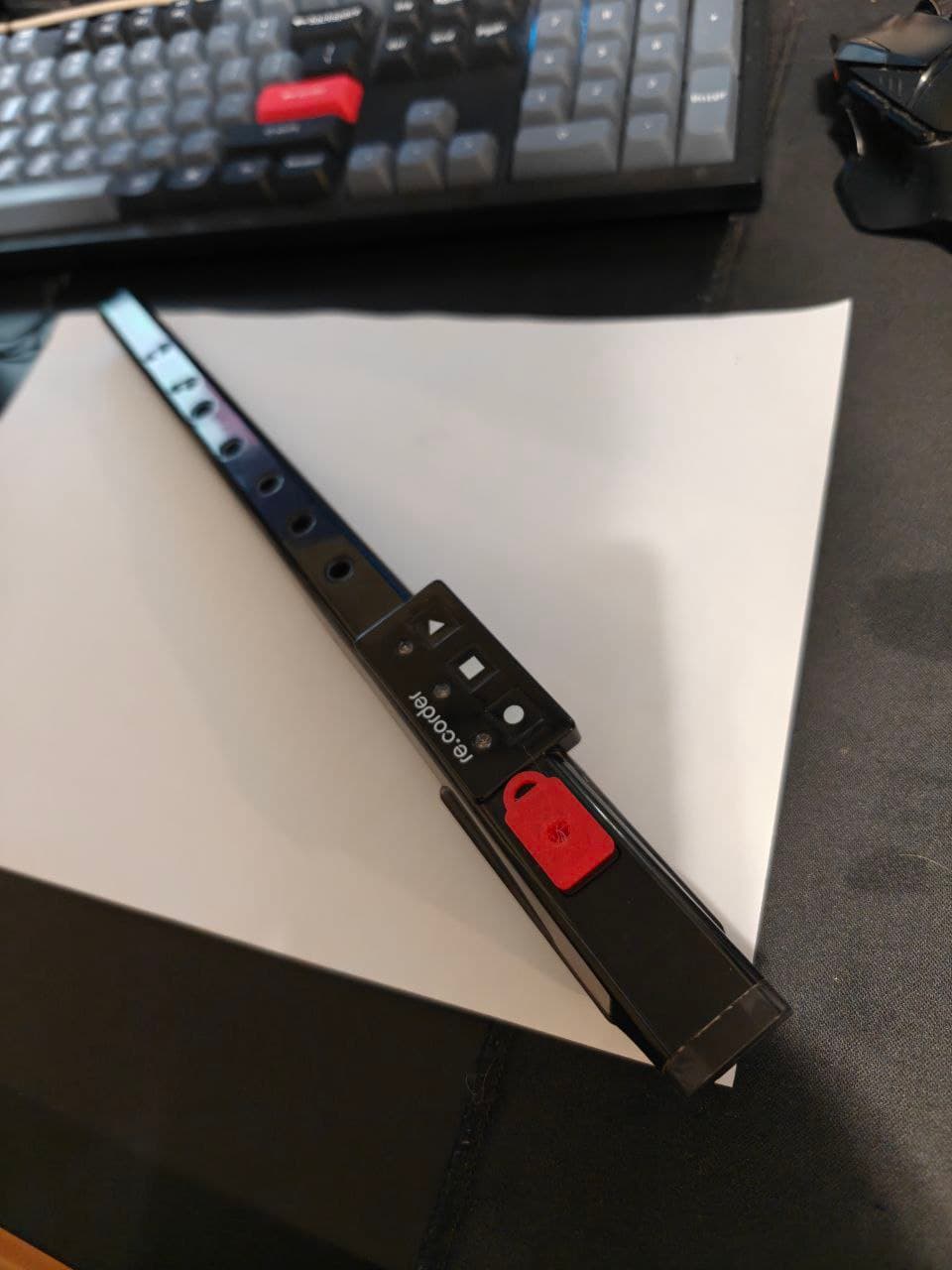
It has some downsides (like gathering saliva and moisture fast to the point that it stops working until it is dried well), no pitchbend, and it likes to forget all it’s settings if you do not charge it for a couple of weeks.
It was designed as novice entry level instrument, not a professional one, and it is noticable.
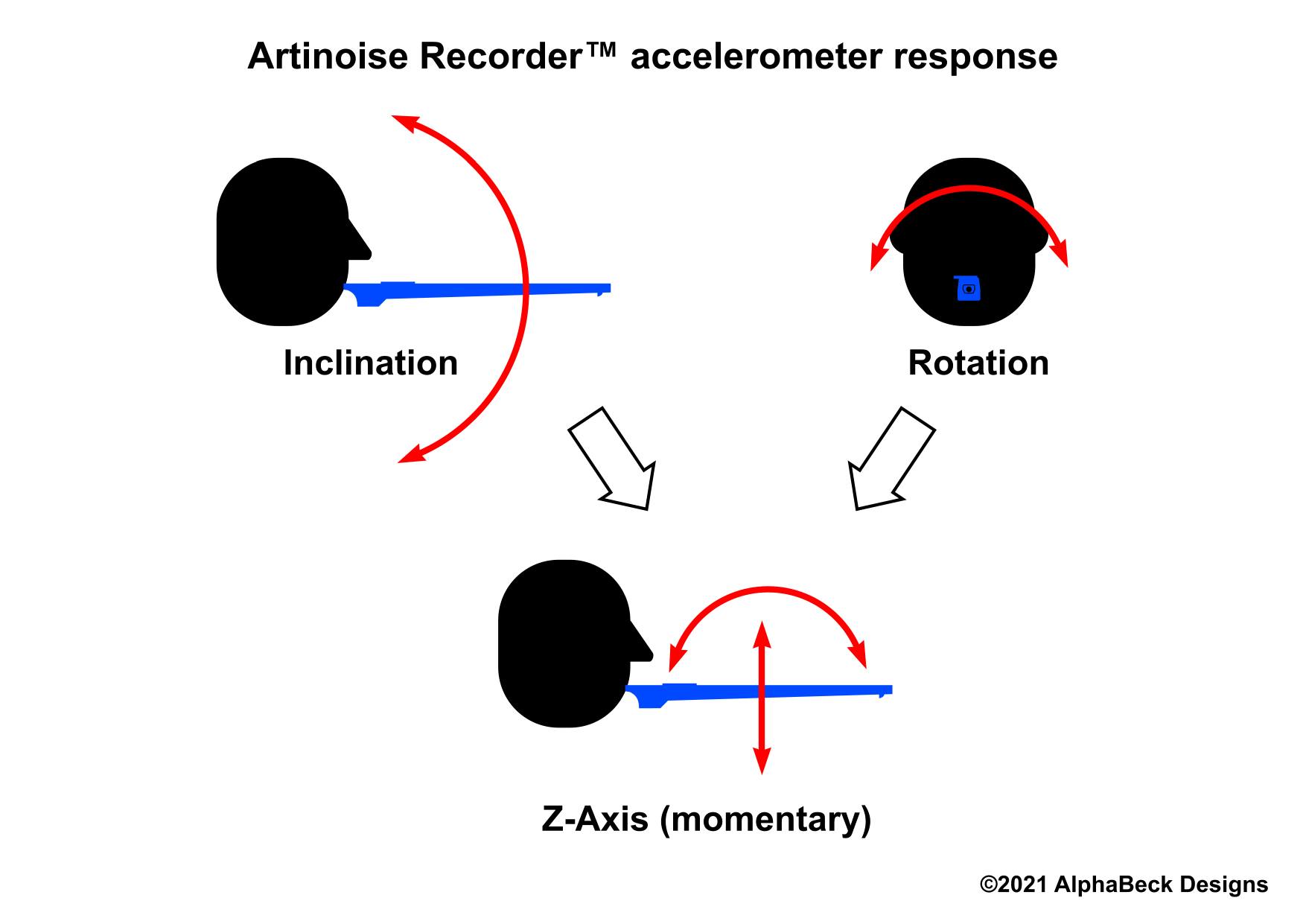
However, for the price it was okay, and it has everything I need - breath control (it is able to send CC signals with pressure you blow into the flute) and customizible fingering. Additionally, it has a cool accelerometer feature, that allows to send other CC signals for rotation, inclination and vertical acceleration. With my previous experiments and some youtube videos I found that if you are able somehow to convert flute rotation CC into a pitchbend, it is quite usable and feels almost natural to use.
-
WIDI Bud Pro, usb dongle that is capable of connecting Artinoise re.corder to my fx processor below.
-
MOD Duo X fx processor. Funny thing it has kickstart origins as well (so i basically have 3 kickstarter originated devices in this pipeline).
Unfortunately these are not produced anymore, and company behind this fx processor is struggling with finances to the point it had to go through insolvency, and that’s sad, because devices were very interesting, and go far beyond just fx processor in their capabilities.
Coolness of this processor is that it is basically a linux box running LV2 plugins (it is something like VST but in linux world). It allows to connect plugins completely free in the web interface. Another interesting feature is that it has two CV inputs and two CV outputs, some virtual CV plugins, MIDI capabilities and a usb port that understands MIDI HID devices like WIDI Bud pro, that make this processor possible to use with microrack from CV perspective (CV hardware ports are low frequency though, not for audio)
Name is long, so I would refer to it as MDX further.
So, what I was able to do spending my whole evening yesterday:
Pipeline:
- I used WIDI Bud to send Re.corder notes and CC to MDX
It sends three types of CC signals, but I am interested only in Rotation, because it is most convenient.
There are several response curves to choose from for each sensor type, and I had used “Embedded11” on Re.corder for Rotation sensor:
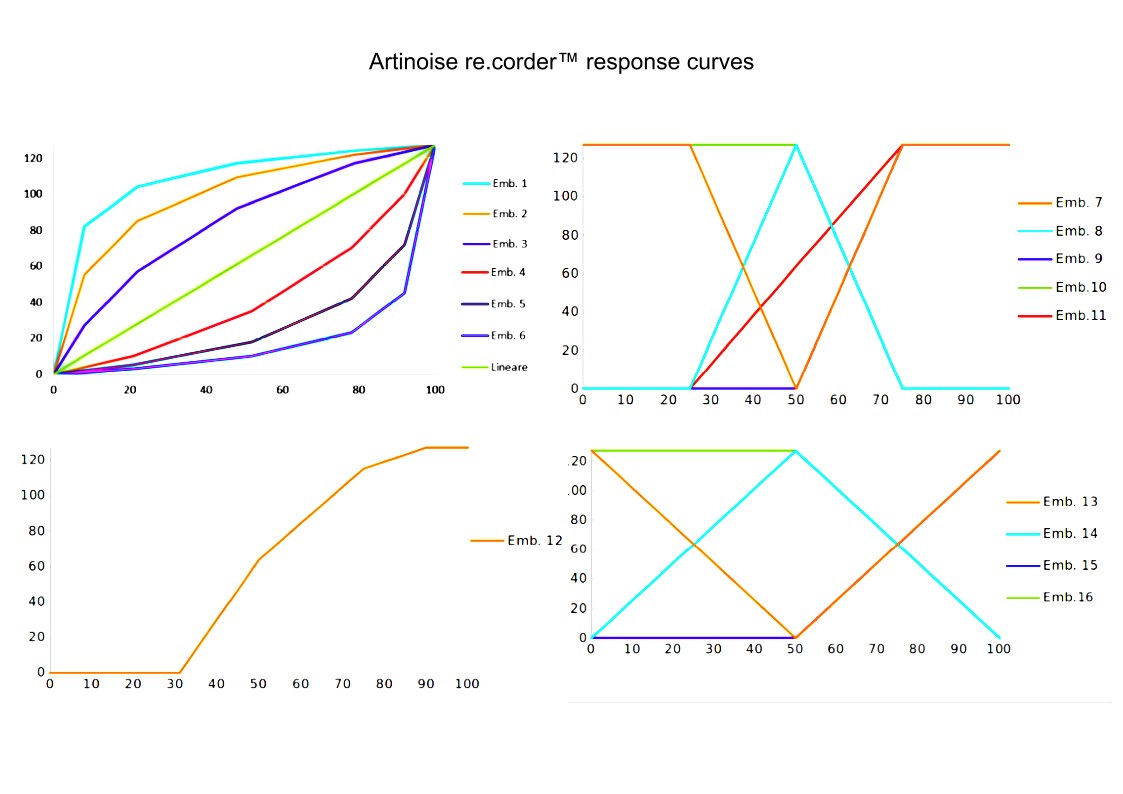
This one allows quite fast response, and I do not want to rotate my head too far.
Basically, in a vertical position CC would be around 64, and reduce when head with flute is rotated left and increase when rotated right.
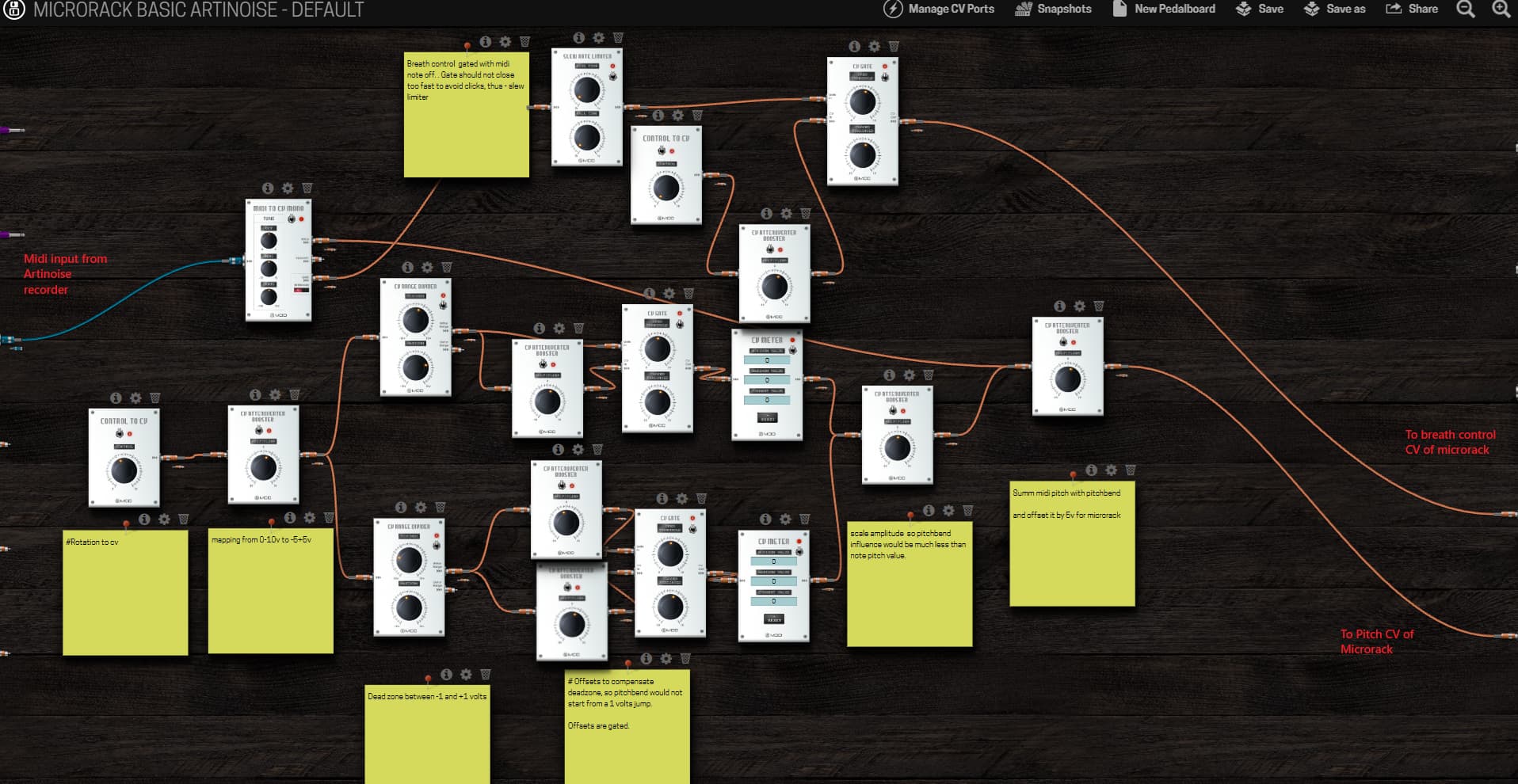
- Within MDX I had to use a lot of virtual plugins to achieve converting midi data into proper CV stream in the following way:
a) convert midi pitch to CV value
b) convert breath control (pressure sensor value) CC signal to CV value
c) convert “note on/note off” to CV value and use it for additional gating of breath control, so whatever breath control is when note is off, CV would be zero.
(Re.corder has bad habit of not setting breath CC to zero when the note ends, just leaving it where it was when note stopped. I would even consider that as bug).
d) convert rotation CC signal to CV value
e) Implement a “dead zone”, similar to gamepad sticks, so small rotations would not cause pitch changes, and and pichbend would happen only intentionally.
f) compensate the deadzone, so pitchbend woud not only engage starting from the certain rotation angle, but also would be producing value from zero once we reach said angle, without a sudden jump.
g) Scale down rotation CV and summ it with pitch CV into a single value.
h) Send all of that to CV hardware outputs of the MDX towards Microrack.
At this point, I have pitch+pitchbend combined in a single CV line, and breath control+note gate combined on other.
I could provide more details on how I did that, but it is not a Mod devices forum, and there is a ton of CV virtual plugins combined to do that:
- On a Microrack side I’ve tried to do what I could with my limited understanding of CV/modules/modular synthesis.
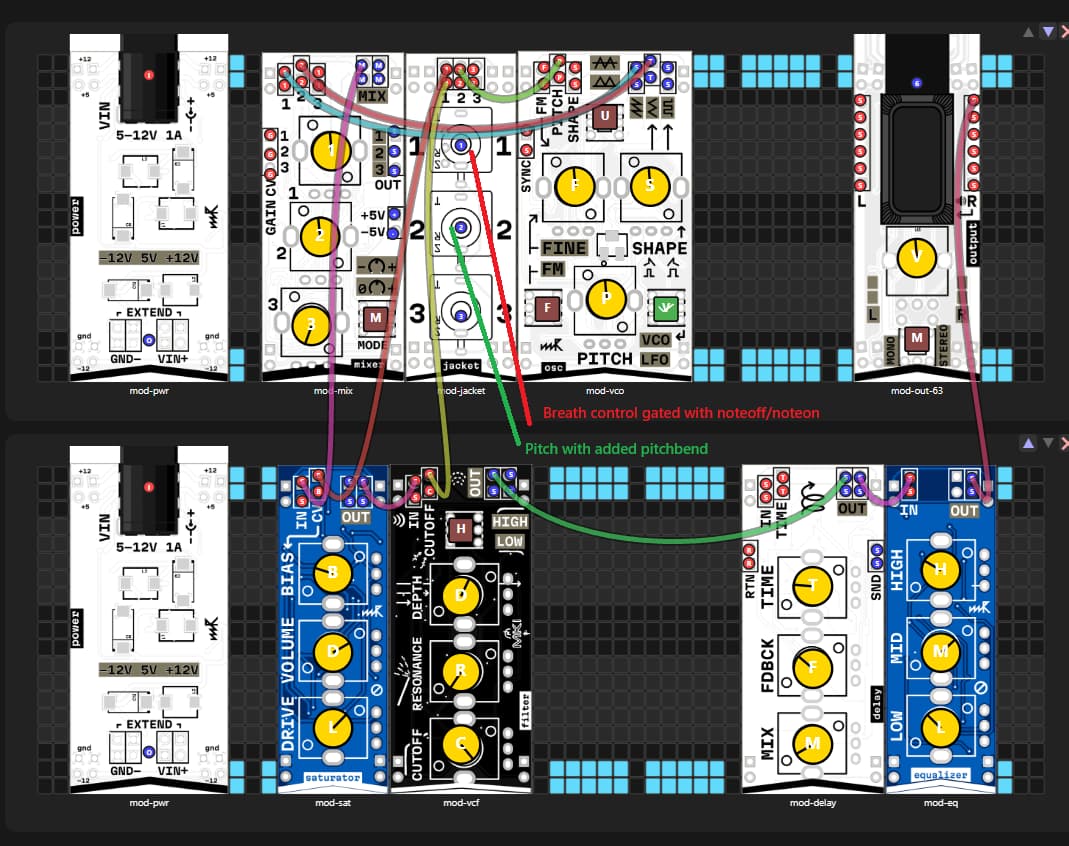
Pitch+pitchbend line comes from the jacket and is controlling pitch on the oscillator.
I used two types of output from that single oscillator (so sound would be a bit more rich), put it through mixer to be able to balance these two waves, put output through saturator to get some growl.
Breath control (blow pressure) CV coming from MDX controls two things in the same time - VCF lowpass filter cutoff and saturator drive. This way sound is not only responding to breath by gain, but also with a tone and some kind of growl provided by saturator.
Actually, mapping breath control to lowpass filter cutoff is kind of a typical approach of binding wind controllers to synths, as far as I undertand, much more interesting than just controlling gain/volume.
I’ve also tried to embed delay, but only a very subtile amount of it. And slapped EQ on top of all that.
Here how it looks:
Patch schematic:
(made with my micropatch tool )
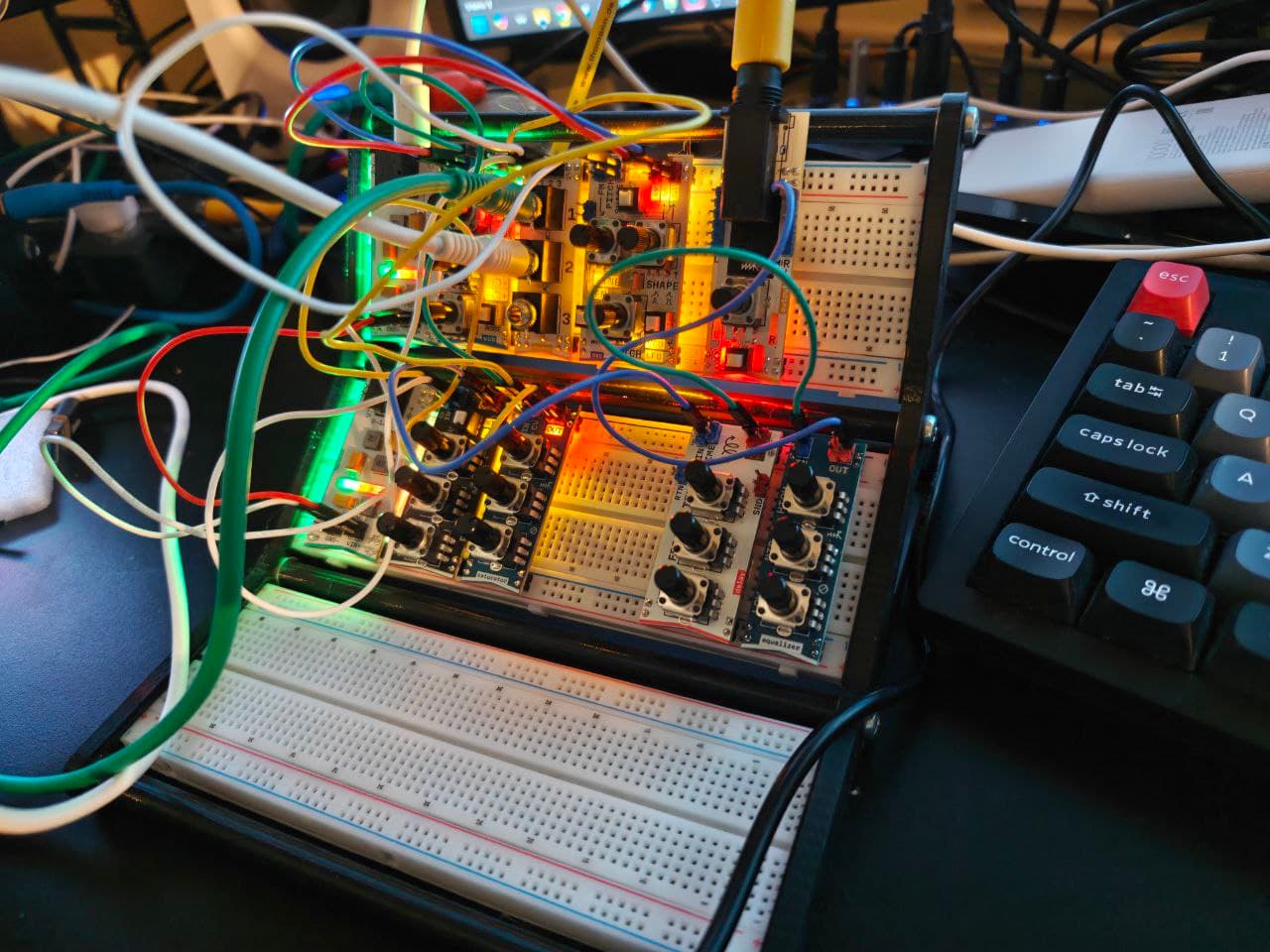
Reality:
Also I had used Valeton GP5 snickers-sized guitar FX processor to slap some reverb on top of it.
Could use MDX, but for proof of concept it was just easier
Result.
That’s a sound example:
I find this to be a good result. Microrack is able to respond to breath control with volume and tone changes. With pitchbend also responding to rotations, and monophonic sound generation it all matches midi flute perfectly.
And analog sound generation is fast, even with MDX in the middle and bluetooth there is no noticable delay when notes change. It goes not so well with only breath-induced stacattos. Not sure if it is actual delay, or just precieved delay because of pressure response curve eating up the attack.
What’s next?
Having an exotic, expensive and not produced anymore FX processor is a huge overhead for connecting the midi flute to microrack.
It would be great to use ESP32 Midi module for that instead, if it would have good enough latency somehow, as soon as ESP32 is BLE-capable and should be able to work with flute directly, and handle all the conversions. However I am not so sure about latency - in my ESP32 experiments I did several years ago I could not acheive the same low latency as Widi Bud Prod has.
Other option could be to use Raspberry PI Zero to redirect Widi Bud data, do conversions and spit out data as 3.5 midi.
Or use PC for the same task.
In all these variants it would require modifying midi module firmware to be able to work with BLE or catch CC signals.
And also I hope I would be able to record some short playing video around all of that, later.
For now as video I have only early test video with no filter and deadzone and phone microphone recording: